Introduction
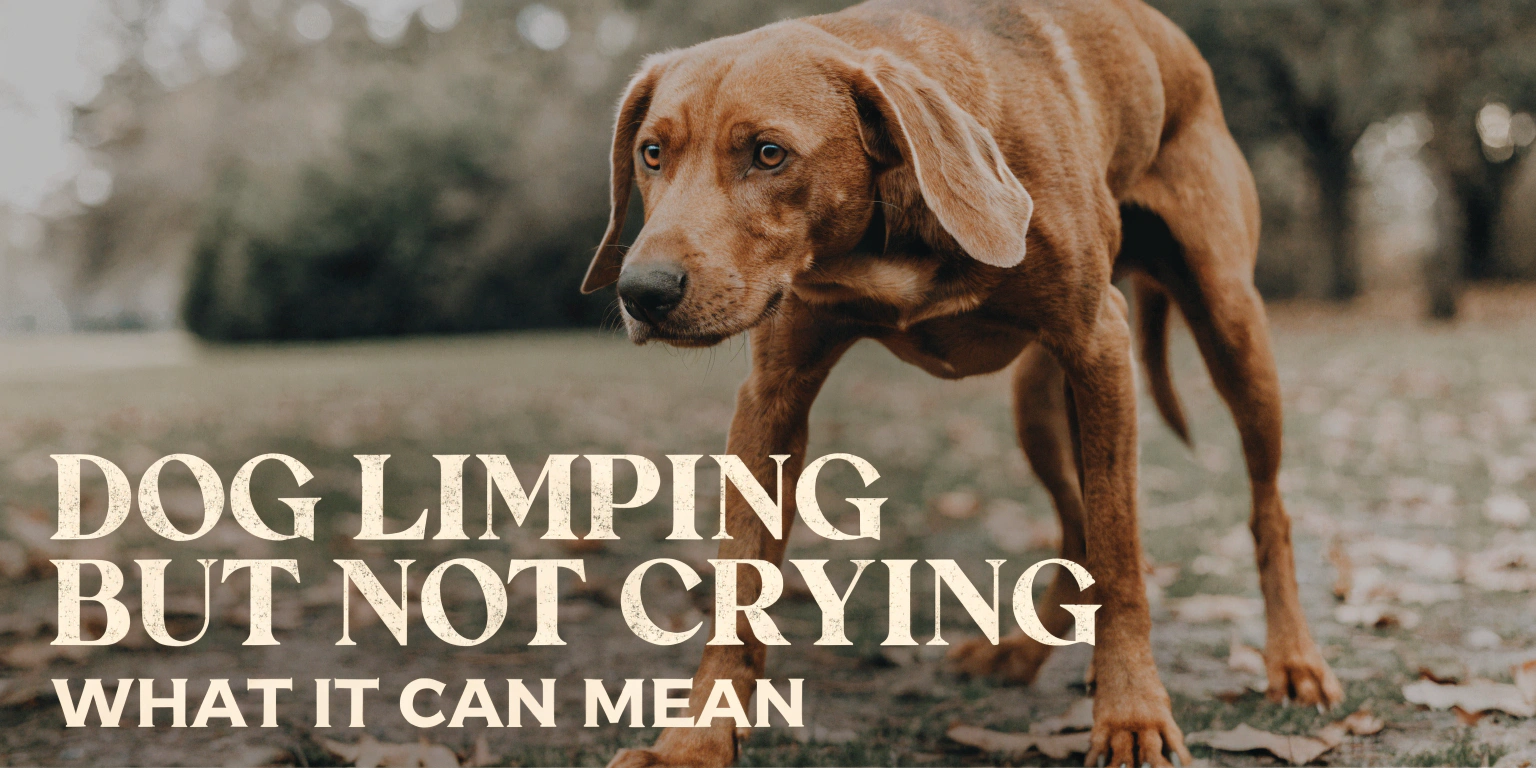
dog limping but not crying because they instinctively hide pain. A limp without vocalization can still signal injury, strain, or joint discomfort that needs observation — not panic, but not neglect either.
Many owners assume that if a dog isn’t whining, the issue must be minor. In reality, dogs are wired to mask weakness. Limping is often the first visible sign of discomfort, appearing days before vocal pain. This guide explains why dogs limp silently, what causes it, how to assess movement safely at home, and when veterinary care becomes necessary.
Why Dogs Limp Without Showing Pain
In the wild, showing pain makes animals vulnerable. That instinct remains strong in domestic dogs.
From real-world observation, dogs will:
Walk stiffly instead of crying
Avoid certain movements quietly
Shift weight subtly rather than yelp
Pain expression varies widely between breeds and individuals. Silence does not equal comfort.
Common Causes of Limping Without Crying
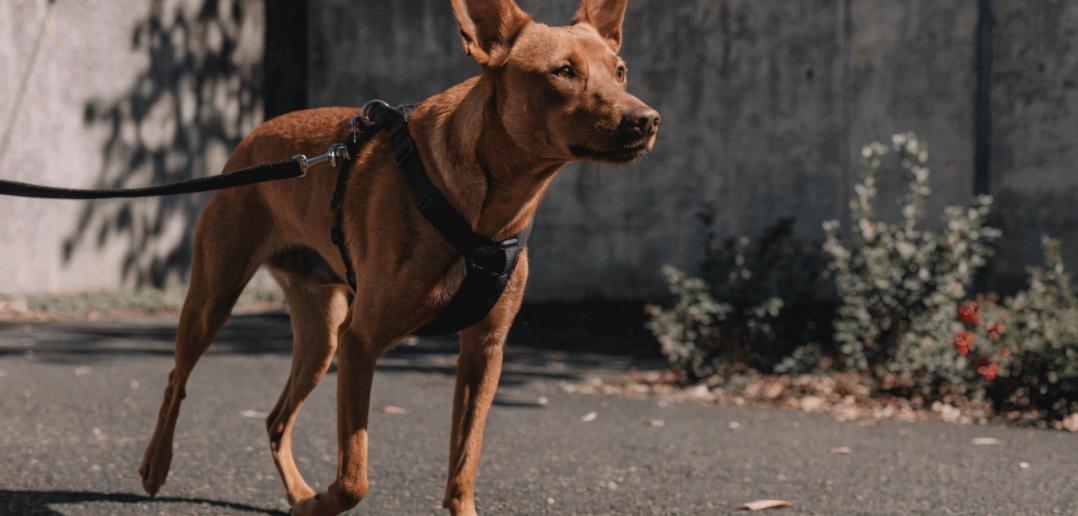
Silent limping usually comes from soft tissue or gradual issues, not sudden trauma.
Frequent Causes
Muscle strain after play
Minor ligament stress
Paw pad irritation or small cuts
Early arthritis
Nail or interdigital issues
These problems hurt — just not enough to trigger vocal reactions.

How to Observe Your Dog’s Movement at Home (SERP Gap)
Most SERP articles jump straight to “see a vet.” What they miss is how owners can observe movement intelligently first.
Watch for:
Weight shifting when standing
Shortened stride on one leg
Hesitation before stairs or jumping
Limp that worsens after rest
Pro-Tip
From practical situations, watching your dog walk away from you reveals gait issues more clearly than face-to-face observation.
Observation Table: What the Limp Can Tell You
| Observation | What It Often Indicates |
| Limp after heavy play | Muscle strain |
| Worse after rest | Joint stiffness |
| Worse after activity | Soft tissue injury |
| Sudden severe limp | Possible acute injury |
| Gradual worsening | Degenerative issue |
This pattern-based approach is often missing from top results.
Common Owner Mistakes (And Better Choices)
| Mistake | Why It Backfires | Better Choice |
| Forcing exercise | Worsens injury | Controlled rest |
| Giving human pain meds | Toxic to dogs | Vet guidance only |
| Ignoring mild limps | Allows progression | Observe 48 hours |
| Complete immobilization | Stiffens joints | Gentle movement |
Expert Warning
From real experience, even a single dose of human pain medication can be fatal to dogs. Never medicate without veterinary approval.
Information Gain: Why Rest Is Often Misused
Most owners either over-rest or under-rest their dogs.
Total crate rest can stiffen joints
Unrestricted play delays healing
The most effective approach is controlled rest:
Short leash walks
No running or jumping
Normal movement indoors
This balance speeds recovery — a nuance rarely explained clearly in SERPs.
UNIQUE SECTION — Real-World Scenario
A young dog developed a mild limp after intense backyard play. The owner continued normal activity since there was no crying. After two days, the limp worsened. With 48 hours of controlled rest, the limp resolved fully — no medication needed.
Early restraint would have prevented progression.
When Limping Becomes an Emergency
Seek veterinary care immediately if:
Limp worsens rapidly
Dog refuses to bear weight
Swelling is visible
Limp lasts longer than 2–3 days
Fever or lethargy appears
Money-Saving Recommendation
Early evaluation of mild limping often prevents expensive imaging or surgery later.
YouTube
“Why Dogs Limp Without Crying – Vet Explanation”
“How Veterinarians Assess Dog Lameness”
(Embed under the observation table.)
FAQs
Q1. Is it normal for dogs to limp without crying?
Yes. Dogs commonly hide pain, especially mild to moderate discomfort.
Q2. How long should I wait before seeing a vet?
If limping lasts more than 48–72 hours or worsens, seek care.
Q3. Can arthritis cause silent limping?
Yes. Early arthritis often presents as stiffness, not vocal pain.
Q4. Should I massage the leg?
Gentle observation is safer unless advised otherwise by a vet.
Q5. Is limping after rest a bad sign?
It often points to joint stiffness or inflammation.
Internal Linking
movement-based health clues → Pet Health & Wellness Pillar
breathing-related symptoms → Reverse Sneezing vs Coughing in Dogs
External Authority References
Veterinary orthopedic resources
AKC canine mobility guidelines
Licensed veterinary education articles
Conclusion
A dog limping without crying is still communicating discomfort — just quietly. By understanding movement patterns, avoiding common mistakes, and acting early when needed, owners can protect their dog’s mobility and long-term comfort.