Introduction
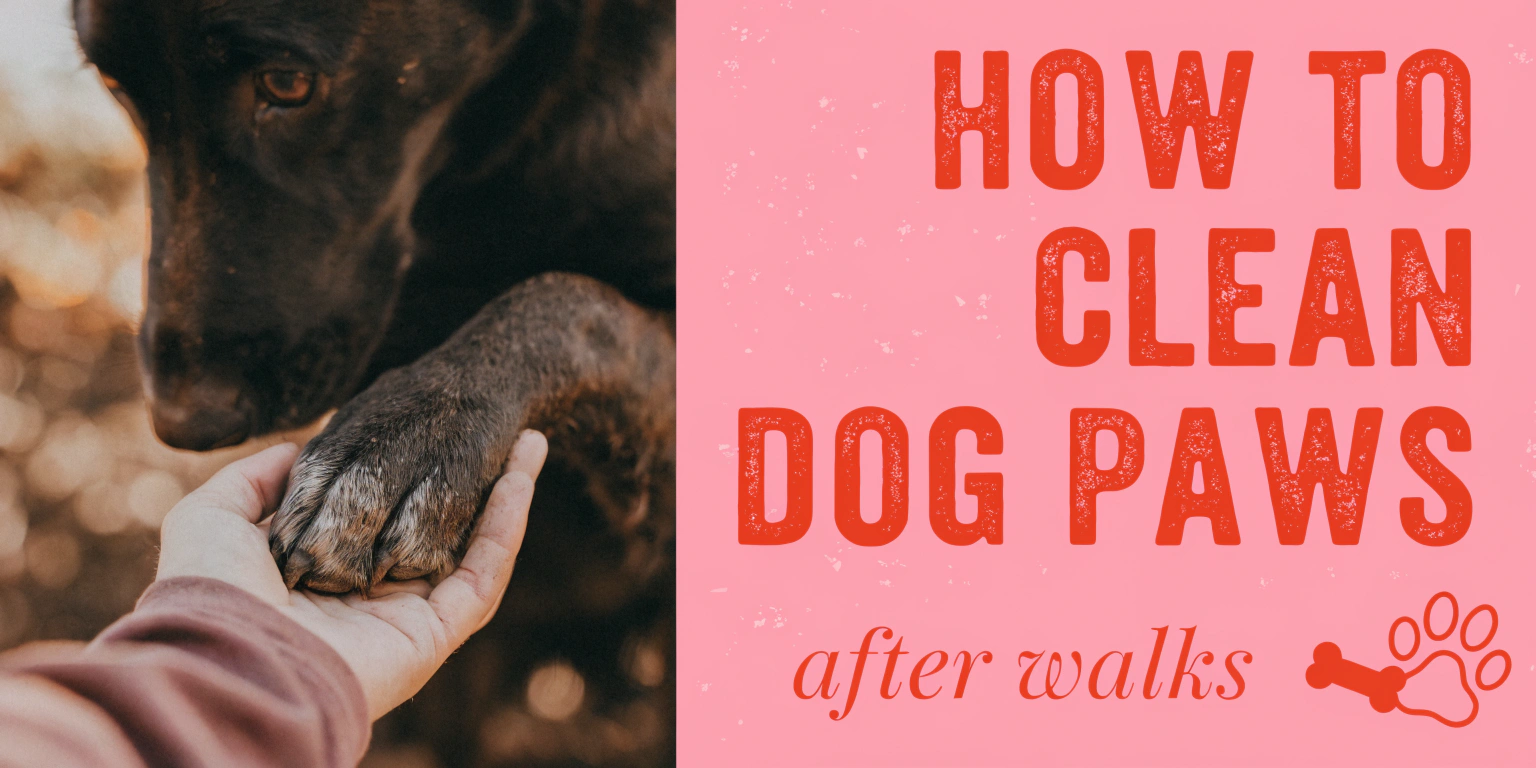
how to clean dog paws after walks dog paws after walks, wipe gently between pads, remove debris, dry thoroughly, and check for irritation. Regular paw cleaning prevents infections, allergies, and cracked pads — especially after outdoor walks.
Paw care is often ignored because paws “look fine.” In reality, paws collect dirt, bacteria, chemicals, and allergens every single walk. Over time, this buildup causes licking, redness, and infections that owners mistake for allergies or anxiety. This guide shows how to clean paws properly, when simple wiping is enough, and when deeper cleaning is necessary — without turning it into a stressful routine.
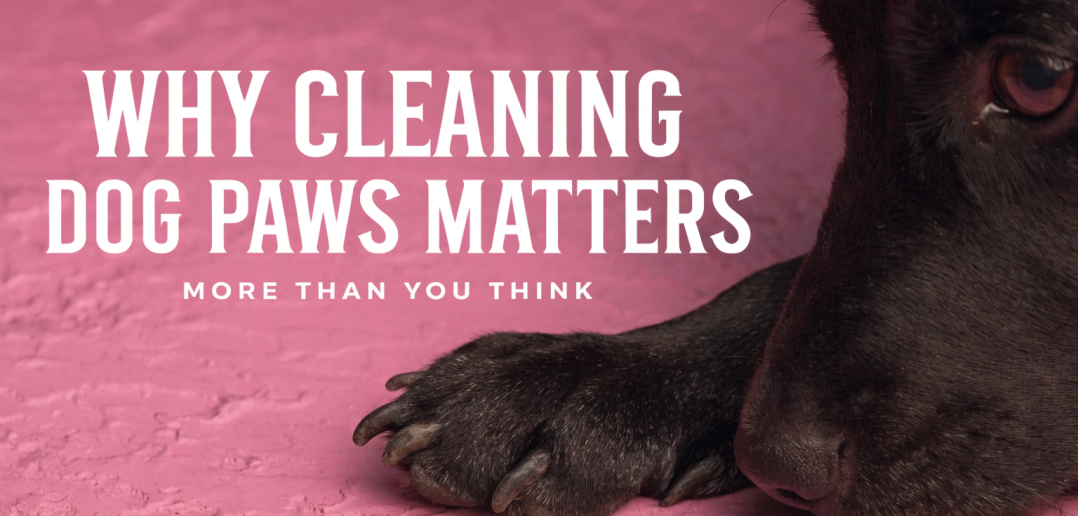
Why Cleaning Dog Paws Matters More Than You Think
Dog paws are exposed to:
Dirt and mud
Road salt and ice melt
Lawn chemicals and pesticides
Bacteria and yeast
Allergens like pollen and grass
From real grooming experience, paw irritation is one of the most common causes of constant licking — and it’s often preventable.
Expert Warning
Leaving paws damp after cleaning creates the perfect environment for yeast infections.
What Happens If You Don’t Clean Dog Paws
Ignoring paw hygiene can lead to:
Cracked pads
Redness and swelling
Yeast or bacterial infections
Excessive licking or chewing
Slipping on floors due to residue
These issues rarely appear overnight — they build gradually.
Information Gain: Wiping Isn’t Always Enough
A key SERP gap: not all paw dirt is visible.
Invisible irritants include:
Chemical residues
Microscopic allergens
Fine road dust
That’s why some dogs keep licking paws even when they “look clean.”
How Often Should You Clean Dog Paws?
| Situation | Cleaning Needed |
| Short dry walk | Quick wipe |
| Muddy walk | Rinse + dry |
| Winter (salt/ice melt) | Rinse every walk |
| Allergy season | Wipe + inspect |
| Dog licking paws | Clean & assess |
This flexibility-based approach is missing from most rigid online guides.
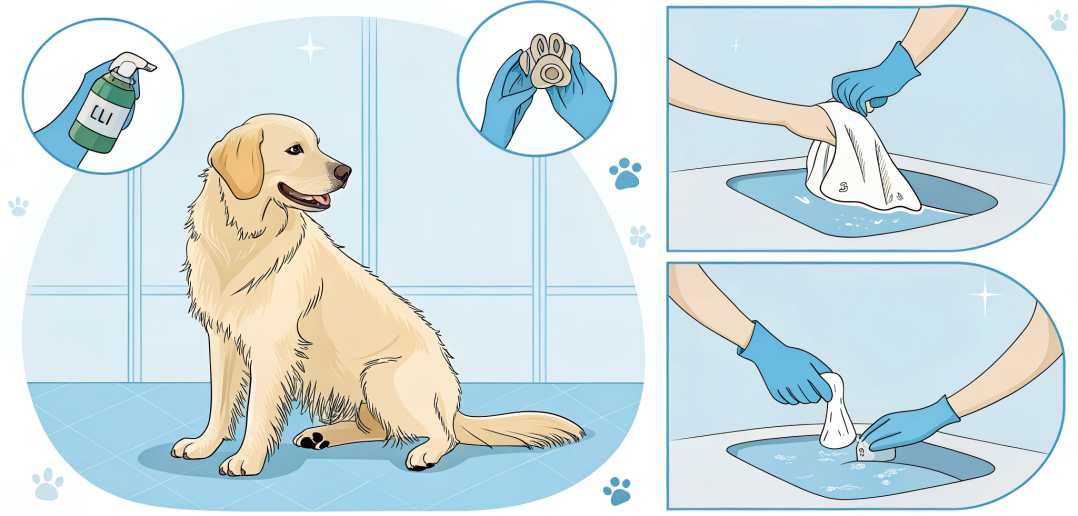
Step-by-Step: How to Clean Dog Paws After Walks
Step 1: Inspect First
Check for cuts, thorns, redness, or swelling.
Step 2: Wipe or Rinse
Use:
Pet-safe wipes, OR
Lukewarm water for heavy dirt
Step 3: Clean Between Pads
Gently separate toes to remove trapped debris.
Step 4: Dry Thoroughly
Use a towel — especially between pads.
Step 5: Moisturize if Needed
Apply paw balm if pads are dry or cracked.
Pro-Tip
From real-world grooming routines, dogs tolerate paw cleaning best when it’s calm, quick, and consistent.
Tools That Make Paw Cleaning Easier
| Tool | Best Use | Limitation |
| Pet wipes | Quick cleaning | Limited for heavy dirt |
| Paw washer cup | Mud & salt | Requires training |
| Towels | Drying | Needs washing |
| Paw balm | Dry pads | Not for infections |
Common Paw-Cleaning Mistakes (And Better Options)
| Mistake | Why It Causes Issues | Better Choice |
| Skipping drying | Yeast growth | Dry thoroughly |
| Using human wipes | Chemical irritation | Pet-safe wipes |
| Ignoring toe spaces | Debris buildup | Clean between pads |
| Over-washing | Dryness | Clean as needed |
Money-Saving Recommendation
Routine paw cleaning prevents vet visits for infections and hot spots caused by chronic licking.
UNIQUE SECTION — Practical Insight From Experience
In real cases, dogs labeled as “allergic” often stop licking paws once salt residue or pollen is removed daily. Simple hygiene sometimes works better than medication when the trigger is environmental.
When Paw Problems Need Veterinary Attention
Seek help if you notice:
Persistent redness or swelling
Discharge or foul odor
Limping or pain
Cracks that don’t heal
Paw cleaning helps prevention — not treatment of advanced infections.
FAQs
Q1. Should I clean my dog’s paws after every walk?
Yes, at least a quick wipe after outdoor walks.
Q2. Can I use baby wipes on dog paws?
No. Many contain chemicals unsafe for dogs.
Q3. Is rinsing paws with water safe daily?
Yes, if paws are dried thoroughly afterward.
Q4. Why does my dog lick paws after walks?
Often due to irritants or residue left on paws.
Q5. Do paw cleaners remove allergens?
Yes, they help reduce allergen exposure.
Internal Linking Plan (Contextual)
licking behavior triggers → How to Stop Dog Barking at Night
overall grooming routine → How Often Should You Bathe a Dog
External Authority References
Veterinary dermatology resources
Canine paw health research
Professional groomer hygiene guidelines
Conclusion
Cleaning your dog’s paws after walks is a small habit with big health benefits. A few minutes of routine care can prevent infections, reduce allergies, and keep your dog more comfortable — without stress or over-cleaning.