Introduction
Most dogs only need a should you bathe a dog every 4–8 weeks, but the ideal frequency depends on coat type, activity level, and skin health. Bathing too often strips natural oils, while bathing too rarely can worsen odor and skin issues.
Dog bathing advice online is wildly inconsistent. Some sources suggest weekly baths, others say “almost never.” Both extremes cause problems. This guide explains how dog skin actually works, why over-bathing is more harmful than most owners realize, and how to determine the right bathing schedule for your dog without guessing or following rigid rules.
How Dog Skin Is Different From Human Skin
Dogs have:
Thinner skin layers
Fewer oil-producing glands
A different skin pH
This means dog skin dries out faster than human skin when washed too often.
From real grooming experience, many chronic itch cases are caused by over-bathing, not allergies.
Expert Warning
Using human shampoo on dogs disrupts skin pH and can cause long-term irritation.
The Biggest Factors That Determine Bathing Frequency
- Coat Type
Short coats trap less dirt; long coats trap more debris.
- Lifestyle
Outdoor dogs and swimmers need more frequent rinsing.
- Skin Health
Dogs with allergies or infections need vet-directed schedules, not generic ones.
- Odor vs Dirt
Odor often comes from bacteria — not dirt — and bathing too often can worsen it.
Dog Bathing Frequency by Coat Type (Practical Table)
| Coat Type | Typical Bathing Frequency | Notes |
| Short coat | Every 6–8 weeks | Brush more, bathe less |
| Medium coat | Every 4–6 weeks | Regular brushing helps |
| Long coat | Every 3–4 weeks | Prevent matting |
| Curly coat | Every 3–4 weeks | Moisturizing shampoos |
| Double coat | Every 6–8 weeks | Avoid stripping oils |
This table offers guidance, not rigid rules — a SERP gap most articles ignore.
Information Gain: Why Smelly Dogs Often Smell Worse After Bathing
A major SERP blind spot: bathing removes protective oils that control bacterial balance.
When dogs are bathed too often:
Skin dries out
Oil production rebounds excessively
Odor-causing bacteria multiply
That’s why some dogs smell worse days after a bath — not better.
When Dogs Actually Need a Bath (And When They Don’t)
Dogs Need a Bath If:
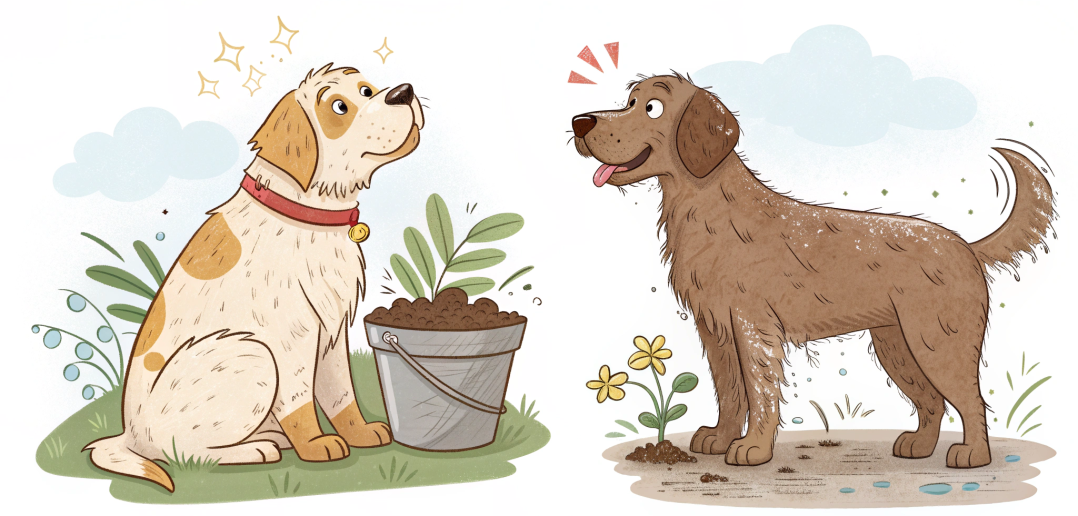
They’re visibly dirty
They rolled in something unpleasant
Their coat feels greasy or sticky
Vet recommends treatment baths
Dogs Don’t Need a Bath If:
They smell “doggy” but aren’t dirty
Skin is already dry or flaky
They’re shedding seasonally
Pro-Tip
From real grooming situations, brushing removes more odor-causing debris than bathing.
Common Dog Bathing Mistakes (And Better Alternatives)
| Mistake | Why It Causes Problems | Better Choice |
| Weekly bathing | Strips oils | Extend intervals |
| Human shampoo | Skin irritation | Dog-specific shampoo |
| Skipping conditioner | Dryness | Light conditioner |
| Not drying properly | Hot spots | Towel + air dry |
Money-Saving Recommendation
Fewer, better baths reduce vet visits for itchy skin and hot spots.
UNIQUE SECTION — Practical Insight From Experience
In real grooming cases, dogs with chronic itching often improve without medication once bathing frequency is reduced and shampoo quality improves. Less intervention restores skin balance faster than constant washing.
How to Adjust Bathing for Special Situations
Puppies: Bathe only when dirty
Senior dogs: Less frequent, gentler shampoos
Allergic dogs: Follow vet-directed medicated schedules
Swimmers: Rinse after swimming; bathe as needed
FAQs
Q1. Can I bathe my dog every week?
Not recommended unless medically necessary.
Q2. How do I know if I’m bathing too often?
Dry skin, itching, and dull coat are signs.
Q3. Can bathing help allergies?
Only when vet-directed; over-bathing worsens them.
Q4. Should I bathe my dog after swimming?
Rinse first; full bath only if needed.
Q5. Is dog odor normal between baths?
Yes. Mild odor is normal and healthy.
Internal Linking Plan (Contextual)
skin irritation prevention → Dog Hot Spot Home Care
ear hygiene guidance → How to Clean Dog Ears at Home Safely
External Authority References
Veterinary dermatology guidelines
Professional groomer best practices
Canine skin health research
Conclusion
Dog bathing isn’t about schedules — it’s about balance. By understanding coat type, lifestyle, and skin health, you can keep your dog clean without damaging their skin. When it comes to bathing, less is often healthier.