Introduction
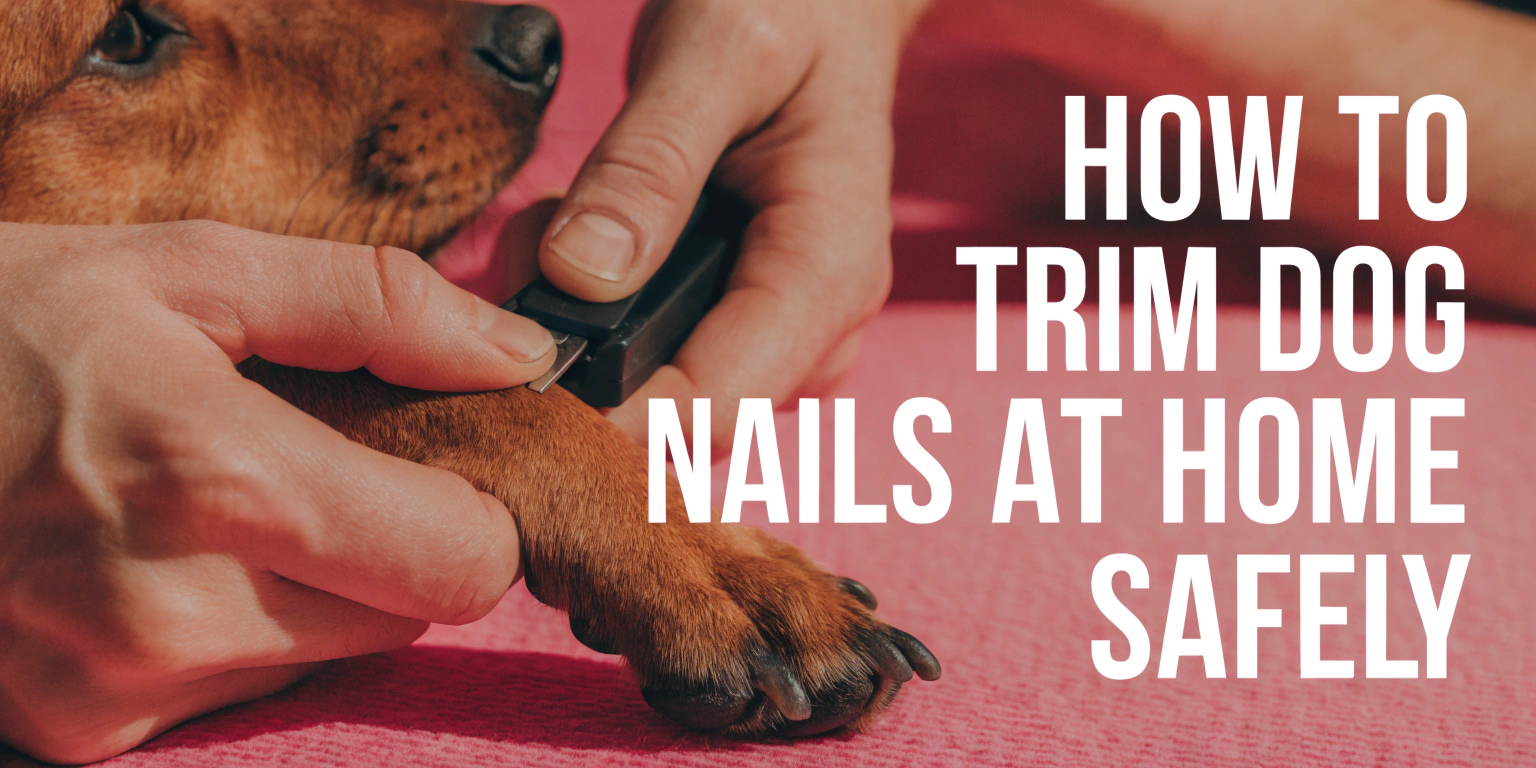
how to trim dog nails at home safely safely, use the right tools, cut small amounts gradually, and stop before reaching the quick. Rushing or cutting too much at once is the most common cause of bleeding and fear.
Nail trimming is one of the most stressful grooming tasks for dog owners. Even calm dogs can panic once clippers come out — and one bad experience can make future trims harder. This guide explains how dog nails actually work, how to trim them without causing pain, and how to build confidence for both you and your dog using calm, realistic steps.
Why Overgrown Nails Are a Real Health Problem
Long nails don’t just look untidy — they change how dogs move.
Overgrown nails can:
Alter paw posture
Strain joints and tendons
Cause slipping on floors
Crack or break painfully
From real grooming experience, many “mystery limps” improve once nails are shortened properly.
Expert Warning
Nails clicking loudly on hard floors usually mean they’re already too long.

Understanding the Quick (What Most Guides Don’t Explain Well)
The quick is the sensitive blood vessel and nerve inside the nail.
Key points owners often miss:
The quick grows longer if nails aren’t trimmed regularly
Dark nails hide the quick visually
Cutting too much once encourages fear long-term
This explains why dogs with neglected nails bleed more easily — not because their nails are “fragile,” but because the quick has advanced.
Tools That Make Nail Trimming Safer
Using the right tool matters more than strength.
| Tool | Best For | Limitation |
| Guillotine clippers | Small to medium dogs | Less control |
| Scissor clippers | Large dogs | Requires steady hand |
| Nail grinder | Fearful dogs | Noise sensitivity |
| Styptic powder | Emergency use | Stops bleeding only |
Pro-Tip
From real-world grooming, grinders reduce fear for many dogs because they remove tiny layers instead of large cuts.
Step-by-Step: How to Trim Dog Nails at Home Safely
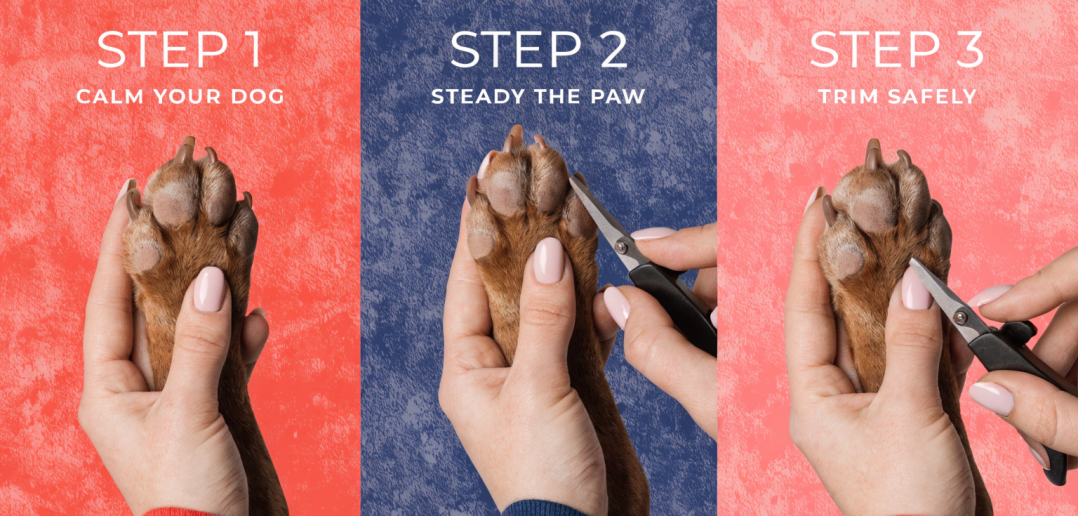
Step 1: Choose the Right Moment
Trim when your dog is calm — after a walk or meal.
Step 2: Position Comfortably
Hold the paw gently, not tightly. Avoid restraining forcefully.
Step 3: Cut Small Amounts
Trim just the tip at a 45-degree angle.
Step 4: Watch the Nail Center
Stop when you see a chalky white center or dark dot forming.
Step 5: Reward and Pause
Treat after each nail if needed. Progress beats speed.
Information Gain
A key SERP gap: frequent micro-trims every 1–2 weeks shorten the quick over time, making nail trimming safer long-term.
Common Nail Trimming Mistakes (And Better Options)
| Mistake | Why It Backfires | Better Choice |
| Cutting too much at once | Hits the quick | Trim gradually |
| Trimming only when nails are long | Quick grows | Maintain schedule |
| Forcing fearful dogs | Creates trauma | Desensitize slowly |
| Skipping rear paws | Imbalanced gait | Trim all nails |
Money-Saving Recommendation
Regular home trims prevent costly vet visits for torn or infected nails.
UNIQUE SECTION — Practical Insight From Experience
In real cases, dogs labeled “impossible to trim” often improve dramatically when owners stop aiming for “perfectly short” nails. Leaving nails slightly longer but trimming more often builds trust and reduces fear faster than aggressive trimming.
What to Do If You Accidentally Cut the Quick
Stay calm — dogs react to your stress
Apply styptic powder or cornstarch
Apply gentle pressure for 30–60 seconds
Stop the session and reward calm behavior
One mistake doesn’t ruin future trims — panic does.
When Not to Trim Nails at Home
Seek professional help if:
Your dog has severe fear or aggression
Nails are extremely overgrown
You can’t safely handle the paws
Medical conditions affect clotting
FAQs
Q1. How often should I trim my dog’s nails?
Every 2–4 weeks for most dogs.
Q2. Can walking on concrete shorten nails naturally?
Partially, but it rarely replaces trimming.
Q3. Are dark nails harder to trim?
Yes, but trimming small amounts makes it safe.
Q4. What if my dog hates nail trimming?
Desensitization and grinders often help.
Q5. Is bleeding dangerous if I cut the quick?
Usually no, if stopped promptly.
Internal Linking Plan (Contextual)
paw injury prevention → Dog Limping but Not Crying
overall grooming balance → How Often Should You Bathe a Dog
External Authority References
Veterinary podiatry resources
Professional groomer safety guidelines
Canine orthopedic health publications
Conclusion
Trimming dog nails at home doesn’t require strength or speed — it requires patience, the right tools, and realistic expectations. Small, regular trims protect your dog’s comfort and build long-term trust far better than occasional rushed sessions