Introduction
how often should you brush your dog’s teeth your dog’s teeth daily or at least 3–4 times per week to prevent plaque hardening into tartar. Infrequent brushing allows bacteria to damage gums and teeth long before visible problems appear.
Dental care is one of the most overlooked parts of dog grooming. Many owners assume bad breath is normal, or that chew toys replace brushing. Unfortunately, dental disease often progresses silently. This guide explains how dog dental health actually works, how often brushing is truly needed, and what realistic routines look like for real households — not idealized schedules.
Why Dog Dental Care Matters More Than Most Owners Realize
Over 80% of adult dogs show signs of dental disease — often without obvious pain.
Dental bacteria don’t just affect the mouth. They can:
Inflame gums
Damage tooth roots
Enter the bloodstream
Stress the heart, liver, and kidneys
From real veterinary experience, dental disease is one of the most preventable health issues — yet one of the most ignored.
Expert Warning
Bad breath isn’t normal aging — it’s usually a sign of bacterial buildup.
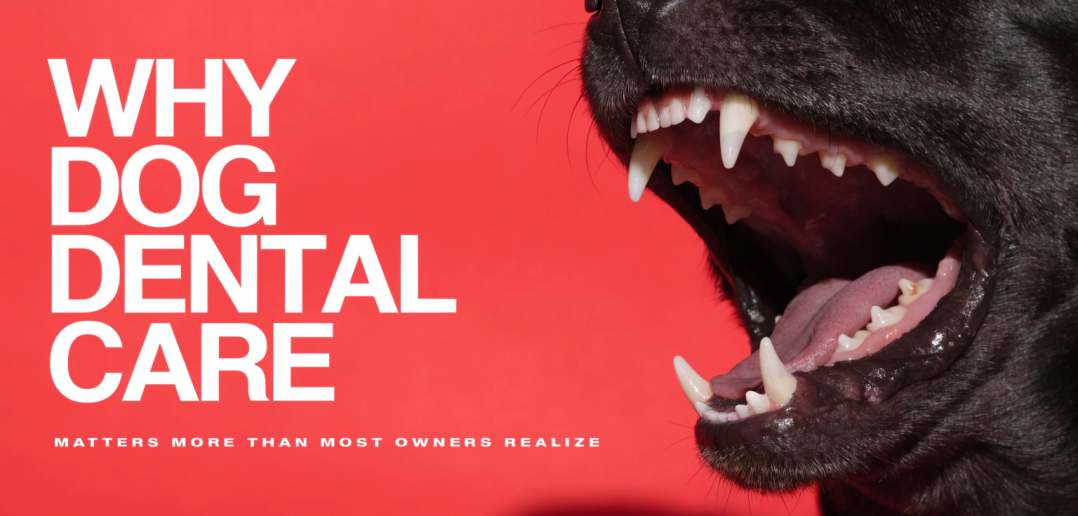
How Plaque Turns Into Dental Disease (SERP Gap Explained)
Most SERP articles say “brush to remove plaque” — but don’t explain timing.
Here’s what actually happens:
Plaque forms within 24 hours
Tartar hardens within 48–72 hours
Gum inflammation follows shortly after
Once tartar hardens, brushing alone can’t remove it — professional cleaning is required.
How Often You Should Brush Your Dog’s Teeth (Reality-Based)
| Brushing Frequency | Effectiveness | What Happens |
| Daily | Excellent | Prevents tartar |
| 3–4x/week | Good | Slows buildup |
| Weekly | Minimal | Tartar still forms |
| Rarely | Ineffective | Dental disease progresses |
This table reflects biological reality, not perfection.
Information Gain: Toothbrushing Beats All Dental Products
A major SERP blind spot: chews, water additives, and powders do not replace brushing.
They help support dental health, but:
They don’t disrupt plaque biofilm effectively
They don’t reach the gumline consistently
Results vary widely between dogs
Brushing physically removes plaque — nothing else does that reliably.
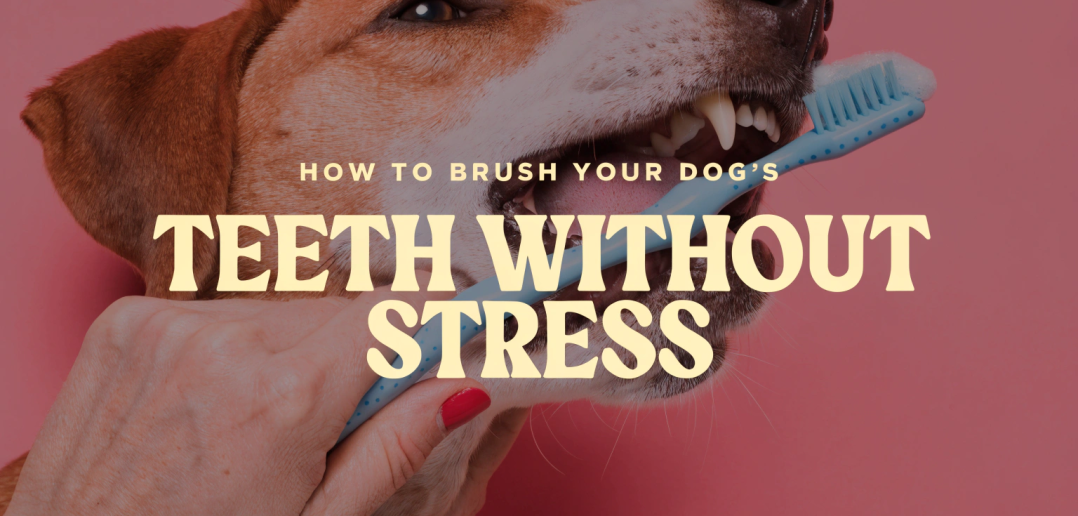
How to Brush Your Dog’s Teeth Without Stress
Step 1: Start With Acceptance
Let your dog lick dog-safe toothpaste off your finger.
Step 2: Touch Before You Brush
Gently touch lips and gums before introducing a brush.
Step 3: Brush the Outer Surfaces
Focus on the outside of teeth — that’s where plaque builds most.
Step 4: Keep Sessions Short
30–60 seconds is enough.
Pro-Tip
From practical grooming situations, brushing a few teeth consistently beats brushing all teeth occasionally.
Common Dog Toothbrushing Mistakes (And Fixes)
| Mistake | Why It Fails | Better Approach |
| Using human toothpaste | Toxic ingredients | Dog-specific toothpaste |
| Brushing hard | Gum irritation | Gentle pressure |
| Giving up after resistance | No adaptation | Gradual desensitization |
| Waiting for problems | Late intervention | Prevent early |
Money-Saving Recommendation
Routine brushing can prevent thousands in dental surgery costs over a dog’s lifetime.
UNIQUE SECTION — Practical Insight From Experience
In real cases, dogs that resist brushing initially often become cooperative within two weeks when owners stop forcing full-mouth brushing and focus only on front teeth. Trust builds faster than perfection.
When Alternatives Are Helpful (But Not Replacements)
Dental chews, wipes, and additives help when:
Used alongside brushing
Dogs cannot tolerate daily brushing temporarily
Maintaining results between professional cleanings
They should support, not replace, brushing.
FAQs
Q1. Do dogs really need their teeth brushed?
Yes. Dental disease is extremely common without brushing.
Q2. How long does brushing take?
About 30–60 seconds per session.
Q3. Is bad breath normal in dogs?
No. It usually signals dental bacteria.
Q4. Can puppies have their teeth brushed?
Yes — early exposure makes lifelong care easier.
Q5. Are dental chews enough on their own?
No. They’re supportive, not sufficient.
Internal Linking Plan (Contextual)
oral discomfort & behavior → How to Stop Dog Barking at Night
overall grooming balance → How Often Should You Bathe a Dog
External Authority References
Veterinary dental health guidelines
Canine periodontal disease research
Professional veterinary dentistry associations
Conclusion
Brushing your dog’s teeth isn’t about perfection — it’s about consistency. A few calm minutes several times a week can prevent pain, disease, and costly procedures later. When it comes to dental care, earlier and gentler always wins.