Introduction
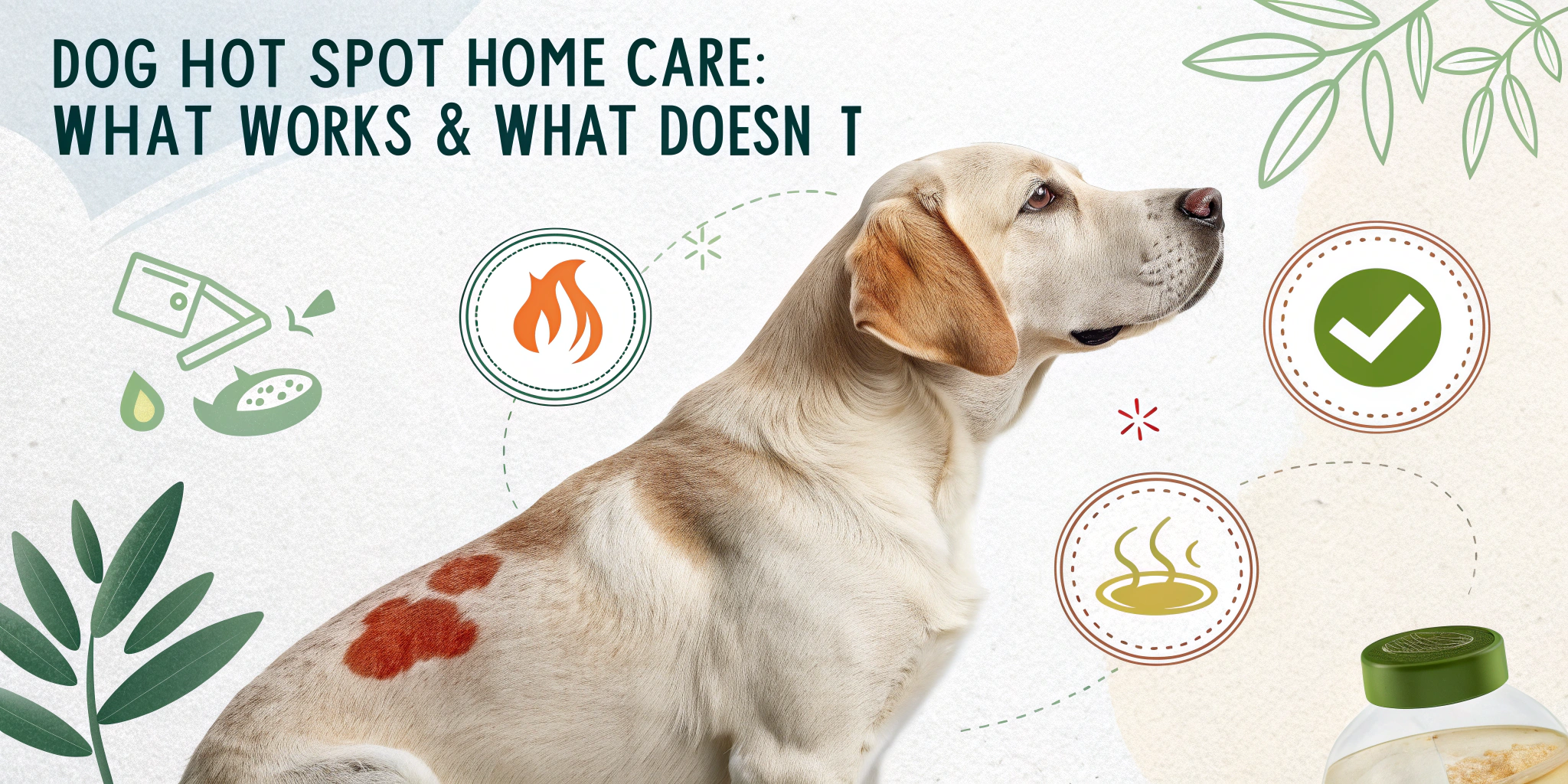
Dog hot spot home care works only when the hot spot is caught early, kept clean, and protected from licking. Using the wrong products or delaying treatment often makes hot spots spread quickly.
Hot spots look small at first — a little red patch, some licking — then suddenly explode into painful, oozing sores. Many owners unknowingly worsen them with well-intentioned home remedies. This guide explains what hot spots really are, how to treat mild ones safely at home, which popular fixes actually delay healing, and when professional care is non-negotiable.
What Dog Hot Spots Actually Are
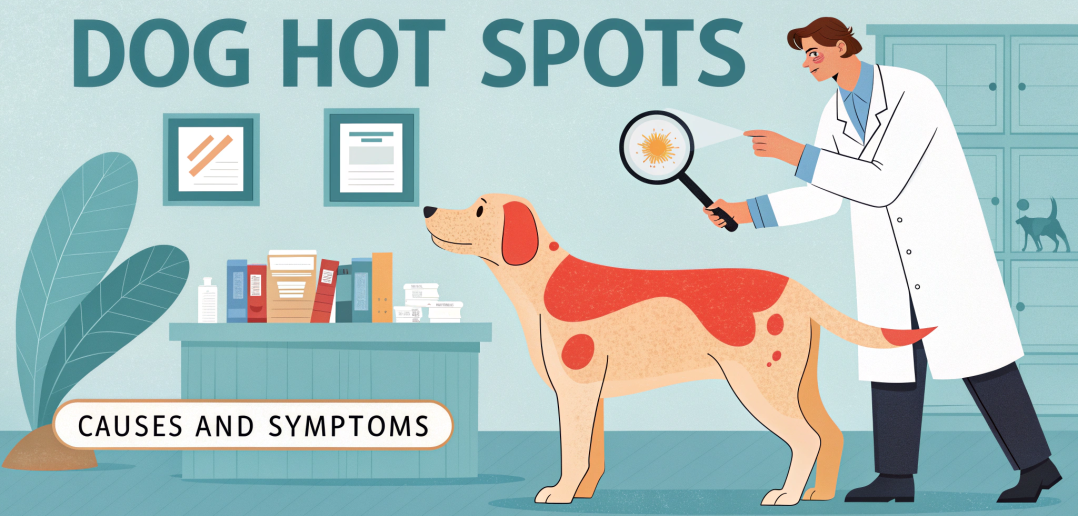
Hot spots (acute moist dermatitis) are rapidly spreading skin infections caused by:
Trapped moisture
Bacteria
Self-trauma from licking, chewing, or scratching
Once the skin barrier breaks, bacteria multiply fast — which is why hot spots grow so quickly.
From real grooming experience, most hot spots start under thick fur, moisture, or friction.
Expert Warning
Hot spots can double in size within 24 hours if licking isn’t stopped.
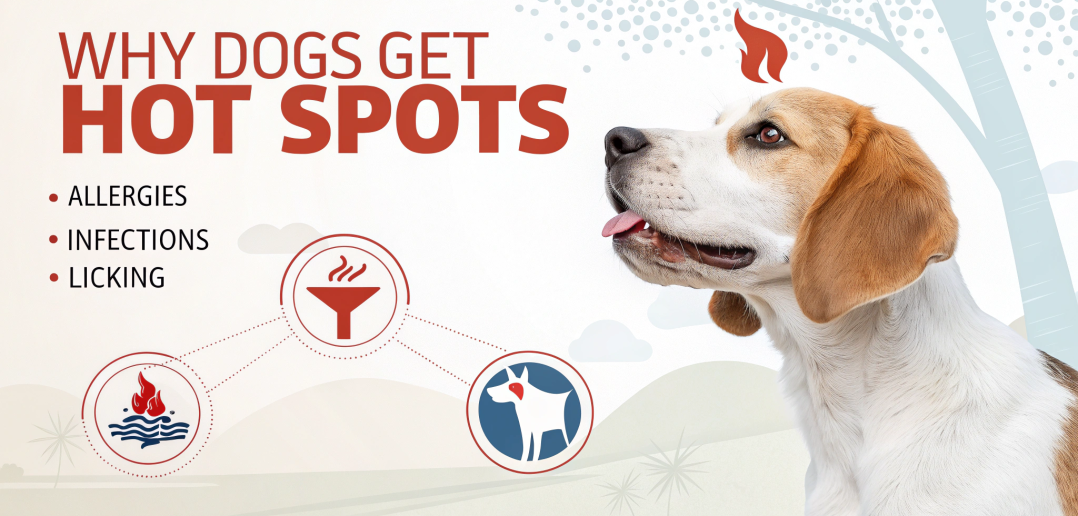
Why Dogs Get Hot Spots (Root Causes)
Understanding the cause prevents recurrence.
Common triggers include:
Allergies (food or environmental)
Poor drying after baths or swimming
Fleas or insect bites
Matted fur
Constant moisture under collars or harnesses
Treating the sore without addressing the trigger leads to repeat outbreaks.
Information Gain: Drying Is More Important Than Medication
A major SERP blind spot: hot spots don’t heal in moisture.
Many owners apply sprays or ointments but skip proper drying. Without airflow and dryness:
Bacteria thrive
Healing stalls
The lesion spreads under fur
Dry skin heals faster than medicated but damp skin.
Step-by-Step Dog Hot Spot Home Care (Early Stage Only)
Step 1: Clip the Fur
Trim fur around the area carefully to expose the skin.
Step 2: Clean Gently
Use:
Saline, OR
Diluted antiseptic (vet-approved)
Avoid harsh scrubbing.
Step 3: Dry Completely
Pat dry and allow airflow.
Step 4: Apply Appropriate Treatment
Use vet-approved sprays or creams — lightly.
Step 5: Prevent Licking
Use an e-collar or soft cone if needed.
Pro-Tip
From real-world cases, stopping licking early is the single most important factor in recovery.
What NOT to Use on Dog Hot Spots
| Common Remedy | Why It’s Risky |
| Hydrogen peroxide | Damages healing tissue |
| Essential oils | Can burn skin |
| Thick ointments | Trap moisture |
| Human creams | Toxic if licked |
| Bandages | Increase moisture |
Money-Saving Recommendation
Avoiding ineffective remedies prevents infections that require antibiotics later.
When Home Care Is NOT Enough
Seek veterinary care if:
The hot spot is larger than a coin
Pus or foul odor appears
Your dog is in pain
Fever or lethargy occurs
No improvement in 48 hours
Hot spots don’t “wait it out” — they escalate.
UNIQUE SECTION — Practical Insight From Experience
In real grooming cases, dogs that recover fastest are those whose owners stop the licking immediately, even before applying treatments. The cone feels harsh — but it shortens healing time dramatically.
How Long Hot Spots Take to Heal
Mild, early-stage: 3–5 days
Moderate: 7–10 days
Severe or infected: Requires vet care
Healing stalls if moisture or licking continues.
FAQs
Q1. Can dog hot spots heal on their own?
Rarely. Most worsen without intervention.
Q2. Can I use coconut oil on hot spots?
Not recommended — it traps moisture.
Q3. Should I shave around a hot spot?
Yes. Air exposure speeds healing.
Q4. Are hot spots contagious?
No, but underlying causes can affect multiple areas.
Q5. How do I stop my dog from licking hot spots?
Use an e-collar or protective covering.
Internal Linking Plan (Contextual)
skin irritation prevention → How Often Should You Bathe a Dog
paw licking triggers → How to Clean Dog Paws After Walks
External Authority References
Veterinary dermatology guidelines
Canine skin infection research
Professional groomer wound-care protocols
Conclusion
Dog hot spots can be treated at home — but only with fast action, proper drying, and strict licking control. Knowing what not to do is just as important as knowing what helps. When in doubt, early vet care saves pain, time, and money.