Introduction
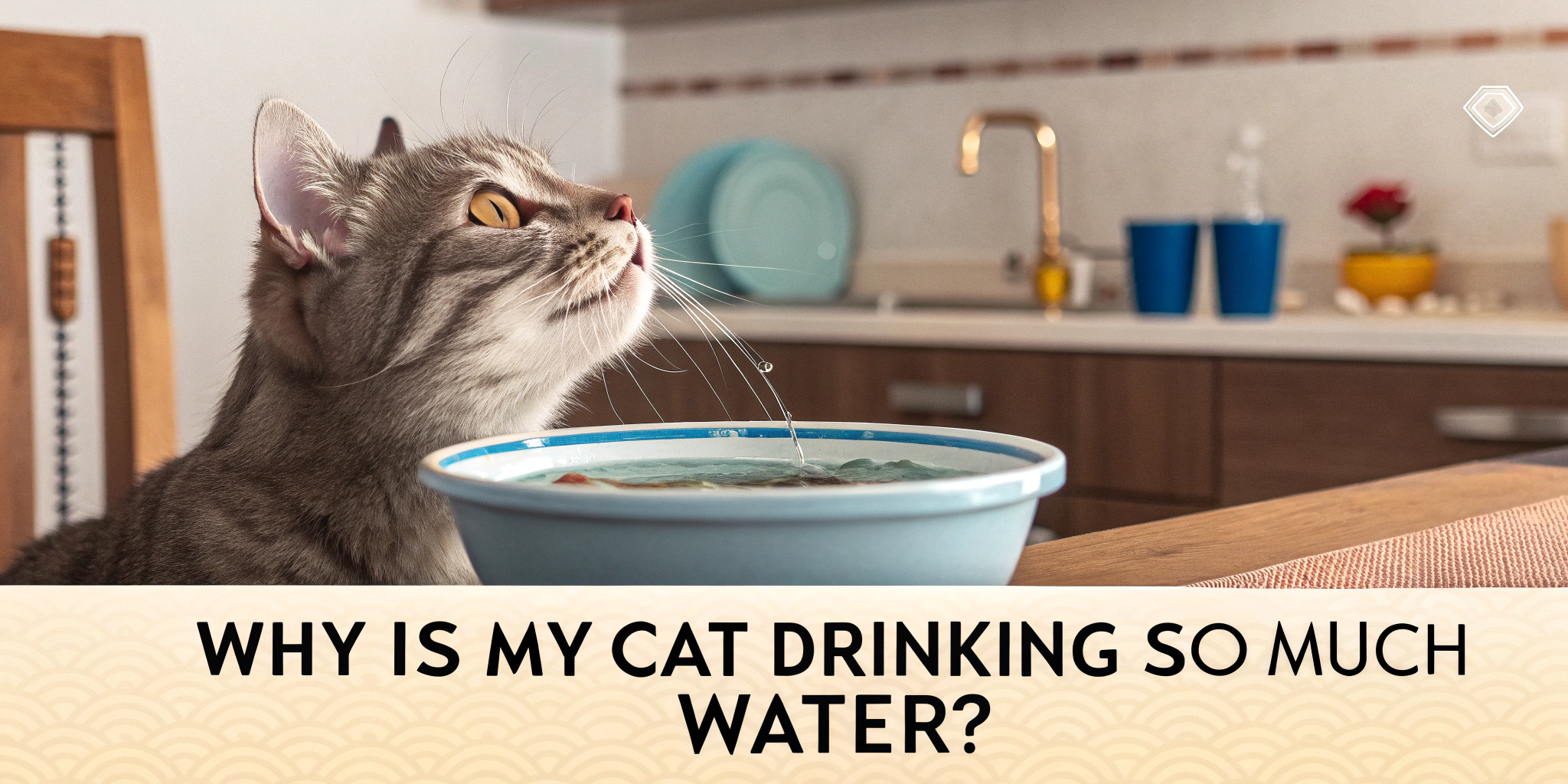
why is my cat drinking so much water excessive water due to diet changes, heat, stress, aging, or underlying health conditions like kidney or thyroid issues. The key is noticing whether the increase is gradual, sudden, or paired with other behavior changes.
Because cats naturally drink very little, even a small increase can feel alarming. Many owners only notice the water bowl changing faster — without realizing the shift may have started weeks earlier. This guide helps you understand what increased thirst actually means, how to tell normal adjustments from warning signs, and when observation is enough versus when veterinary care is necessary.
What Normal Water Intake Looks Like for Cats
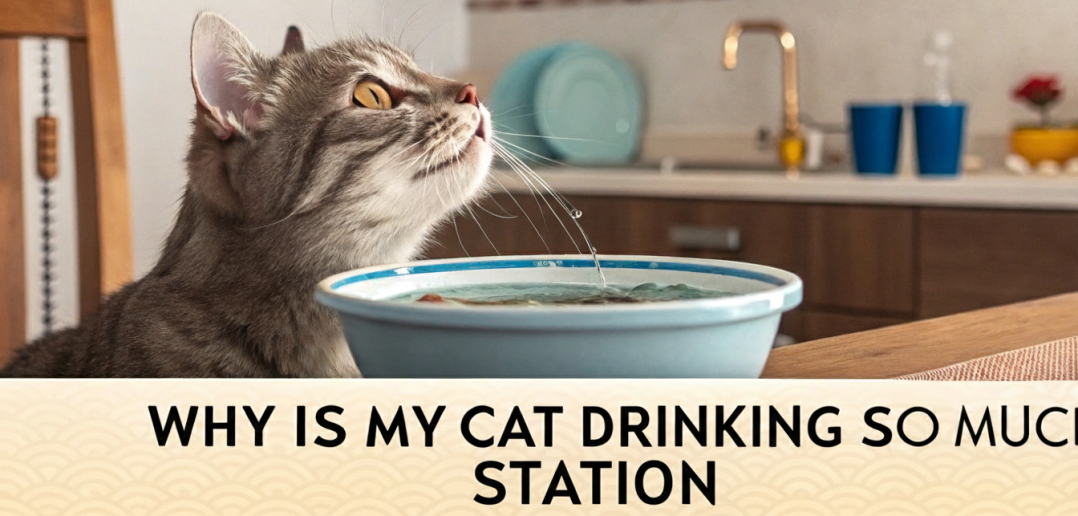
Cats evolved to get most of their moisture from prey. That means hydration often comes from food, not bowls.
Cats on wet food usually drink very little
Cats on dry food compensate by drinking more
Indoor cats often drink less visibly than outdoor cats
SERP Gap Explained
Most articles mention “normal intake” but don’t explain why food moisture hides thirst signals, leading owners to misinterpret changes.
Common Reasons Cats Start Drinking More Water
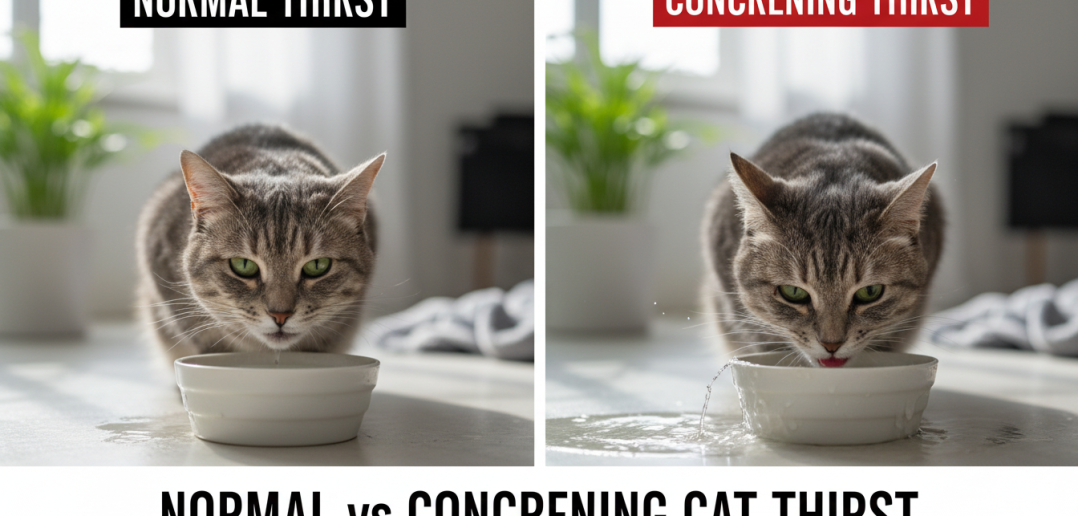
Increased drinking usually has one of three roots: environment, diet, or health.
Environmental & Lifestyle Factors
Hot weather or dry indoor air
Increased activity
Stress (new pet, moving, routine change)
Diet-Related Causes
Switching from wet food to dry food
Higher salt content in food
Reduced appetite leading to dehydration
Health-Related Causes
Kidney disease
Hyperthyroidism
Diabetes
Urinary tract issues
Expert Warning
From real veterinary experience, gradual increases are often overlooked longer than sudden ones — yet both can signal health changes.
How to Tell If the Increase Is Concerning
Instead of guessing, observe patterns, not just volume.
Signs That Warrant Attention
Drinking paired with increased urination
Weight loss despite normal appetite
Lethargy or hiding
Changes in litter box habits
Observation Table: What to Track at Home
| What to Observe | Why It Matters |
| Water bowl refills | Shows consumption trend |
| Litter box output | Hydration + kidney function |
| Appetite changes | Rules out dietary causes |
| Weight over time | Flags metabolic issues |
| Energy levels | Indicates systemic illness |
Pro-Tip
From practical situations, litter box output often reveals more than water bowls alone — especially in multi-cat homes.
Common Owner Mistakes (And Better Approaches)
| Mistake | Why It’s Misleading | Better Approach |
| Measuring obsessively | Creates anxiety | Track trends weekly |
| Assuming heat is the cause | Masks health issues | Rule out diet first |
| Waiting for obvious illness | Cats hide symptoms | Act on subtle changes |
| Comparing cats | Each cat hydrates differently | Track individually |
Information Gain: Why Wet Food Changes Thirst Signals
A major SERP blind spot: wet food doesn’t reduce thirst — it replaces visible drinking.
Cats eating wet food may:
Drink less from bowls
Stay better hydrated
Mask early kidney or thyroid symptoms if owners only watch bowls
That’s why behavior changes (urination, appetite, weight) matter more than water volume alone.
UNIQUE SECTION — Real-World Scenario
A 10-year-old indoor cat gradually began drinking more water after switching to dry food for dental reasons. No illness was present — hydration compensation explained the change. When wet food was reintroduced part-time, water intake normalized.
Context matters more than assumptions.
When Increased Thirst Becomes Urgent
Seek veterinary advice if increased drinking is paired with:
Rapid weight loss
Vomiting
Excessive urination
Poor coat condition
Sudden behavior changes
Money-Saving Recommendation
Early bloodwork for hydration-related concerns is far less expensive than treating advanced kidney or thyroid disease.
YouTube (Contextual Learning)
“How Much Water Should a Cat Drink?”
“Early Signs of Kidney Disease in Cats”
(Embed under the observation section.)
FAQs
Q1. How much water is too much for a cat?
There’s no single number — changes from your cat’s normal matter more.
Q2. Should I measure my cat’s water intake daily?
Weekly trend tracking is more useful than daily measuring.
Q3. Can stress make cats drink more water?
Yes. Environmental stress can temporarily increase thirst.
Q4. Does age affect how much cats drink?
Yes. Senior cats often drink more due to metabolic changes.
Q5. Is increased urination always bad?
Not always, but paired with thirst it should be evaluated.
Internal Linking Plan (Contextual)
movement-based health clues → Dog Limping but Not Crying
early health behavior changes → Pet Health & Wellness Pillar
External Authority References
Veterinary hydration guidelines
Feline kidney health resources
Licensed veterinary education articles
Conclusion
Increased water intake is a signal — not a diagnosis. By watching patterns, understanding diet effects, and acting early when changes persist, cat owners can protect long-term health without panic or guesswork.