Introduction
Safe dog hot spot home care focuses on keeping the area clean, dry, and protected from licking, not aggressively treating it. Over-cleaning, shaving incorrectly, or applying home remedies often turns a small irritation into a severe skin infection.
Hot spots can appear suddenly and worsen within hours. Many dog owners panic and try multiple treatments at once, unknowingly feeding the problem. This guide explains what a hot spot really is, how to care for it safely at home in the early stage, and when professional treatment becomes essential.
What a Dog Hot Spot Actually Is
A hot spot is a localized skin infection caused by constant licking, scratching, or moisture trapped in the fur. It’s not a disease on its own — it’s a reaction.
Common triggers include:
Allergies (food or environmental)
Fleas or insect bites
Moist fur after swimming or bathing
Matted coats that trap heat and moisture
Once licking starts, bacteria multiply quickly.
Early-Stage Home Care That Is Actually Safe
If the hot spot is small, newly formed, and not oozing, supportive home care may help.
Safe First Steps
Trim fur around the area (not shaved to the skin)
Gently clean once with a vet-approved solution
Pat dry completely
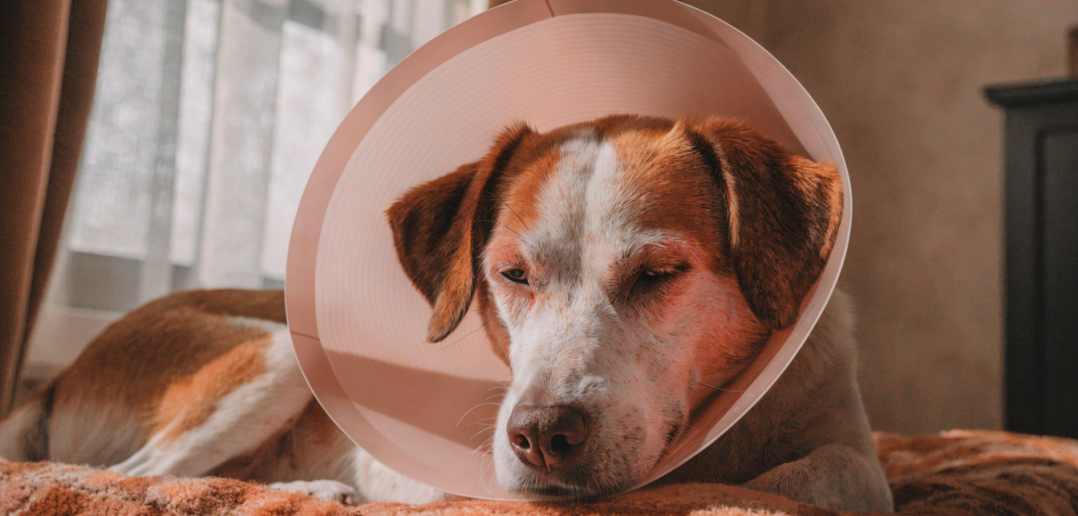
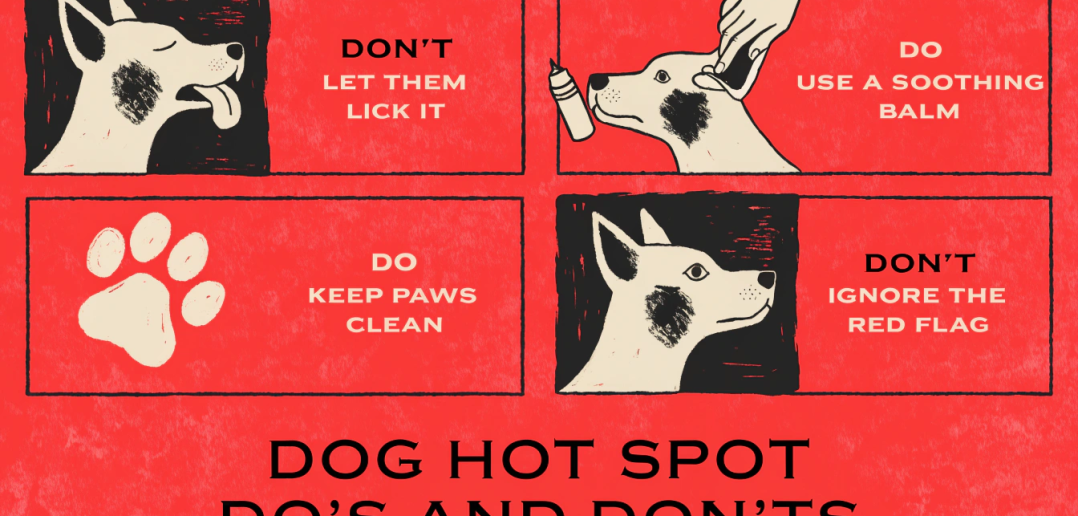
Prevent licking immediately (cone or shirt)
Pro-Tip
From real-world experience, stopping licking early does more to halt hot spot progression than applying any topical product.
When Shaving Makes Things Worse (SERP Gap)
Many top SERP articles advise shaving aggressively. In practice, shaving too close:
Irritates inflamed skin
Causes micro-cuts
Increases licking behavior
Leaving a small buffer of fur often protects healing tissue better than exposing raw skin completely.
Common Dog Hot Spot Mistakes (And Better Fixes)
| Common Mistake | Why It Backfires | Better Approach |
| Cleaning multiple times daily | Traps moisture | Clean once, then dry |
| Using human ointments | Blocks airflow | Let skin breathe |
| Ignoring licking | Reopens wounds | Use cone early |
| Covering tightly | Creates humidity | Allow airflow |
Expert Warning
From practical situations, topical creams often worsen hot spots by sealing bacteria under the skin.
Information Gain: Moisture vs Oxygen Balance
A critical concept missing from many SERPs:
Hot spots worsen in moist, low-oxygen environments.
Dryness slows bacterial growth. Oxygen supports healing. That’s why:
Heavy ointments often fail
Bandages usually make things worse
Air exposure matters more than medication early on
Understanding this balance explains why “doing less” often heals faster.
UNIQUE SECTION — Practical Insight From Experience
In real cases, cones are often delayed until the hot spot is severe. Yet early cone use alone can stop progression entirely. Preventing access — even for 24 hours — often allows inflammation to settle naturally.
Sometimes the best treatment is simply removing the dog from the problem.
When Home Care Must Stop
Seek veterinary care if you notice:
Rapid spreading
Thick discharge or pus
Strong odor
Severe redness or pain
Fever or lethargy
Money-Saving Recommendation
Early vet treatment for hot spots is far cheaper than treating deep skin infections caused by delayed care.
YouTube
“How to Treat Dog Hot Spots Safely”
“Early Signs of Dog Skin Infections”
(Embed under the “When Home Care Must Stop” section.)
FAQs
Q1. Can dog hot spots heal on their own?
Mild cases may improve if licking stops early, but many require treatment.
Q2. Should I bandage a hot spot?
No. Bandages trap moisture and worsen infection.
Q3. Are hot spots contagious?
No, but the underlying cause (like fleas) may affect other pets.
Q4. How fast do hot spots spread?
They can expand noticeably within hours if licking continues.
Q5. Can diet cause hot spots?
Yes. Allergies are a common trigger for recurring hot spots.
Internal Linking Plan (Contextual)
skin flare-up prevention → How to Clean Dog Ears at Home Safely
movement-related discomfort → Dog Limping but Not Crying
Conclusion
Dog hot spot home care is about restraint, dryness, and prevention — not aggressive treatment. Acting early, stopping licking, and knowing when to step back can save your dog discomfort and prevent long-term skin problems.