
Introduction
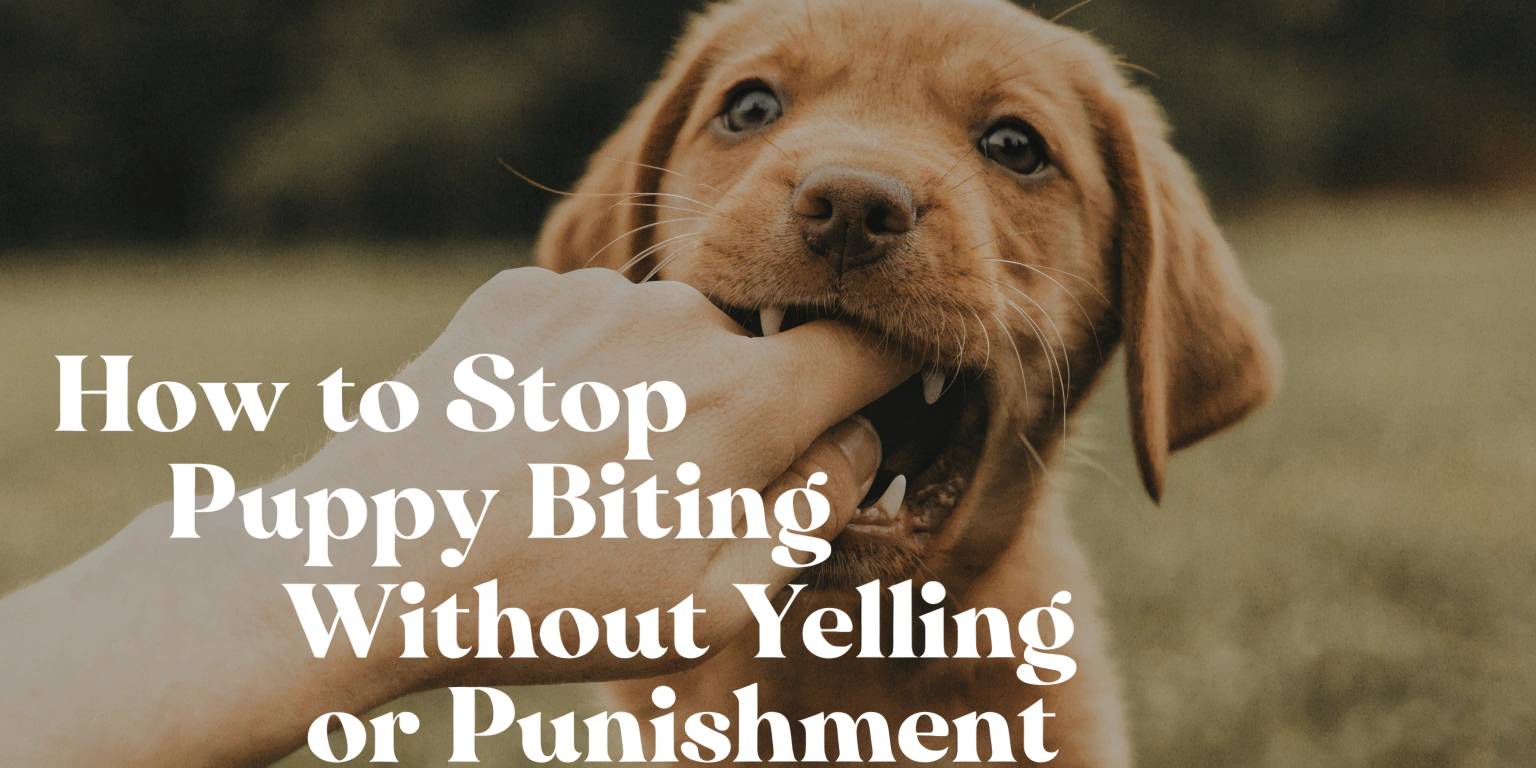
To how to stop puppy biting to appropriate toys, pause interaction when biting starts, and reward calm behavior consistently. Yelling or punishment increases excitement and often makes biting worse, not better.
Puppy biting is one of the most common — and frustrating — behaviors new owners face. It can feel personal, painful, and overwhelming, especially when advice online contradicts itself. Some say ignore it, others say correct it firmly. This guide explains why puppies bite, why common reactions fail, and how to reduce biting using calm, development-appropriate techniques that actually work in real homes.
Why Puppies Bite in the First Place
Puppies don’t bite out of aggression. They bite because it’s how they explore, communicate, and learn boundaries.
Common reasons include:
Teething discomfort
Overstimulation during play
Lack of impulse control
Learning bite pressure (bite inhibition)
From practical experience, most puppy biting peaks when puppies are tired, excited, or confused, not when they’re being “defiant.”
Why Yelling and Punishment Make Biting Worse
This is where many owners go wrong.
Yelling, clapping, or physical corrections:
Increase arousal
Add excitement to play
Teach fear instead of control
Delay bite inhibition learning
Expert Warning
From real training situations, puppies corrected harshly often bite harder or switch to fear-based behaviors later.
Puppies interpret loud reactions as engagement, not discipline.
What Actually Works: Calm, Repeatable Strategies
- Redirect, Don’t React
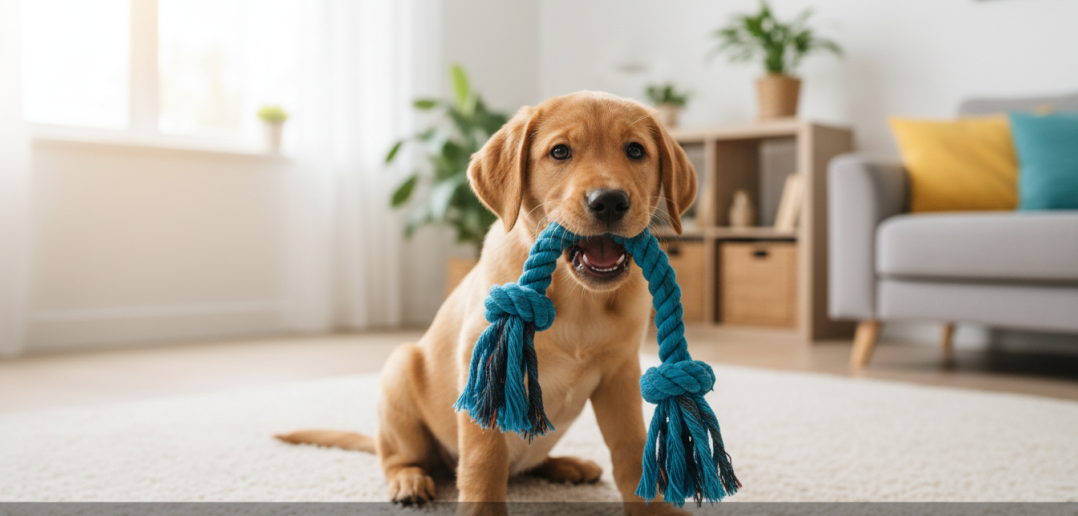
Always have a toy nearby. When teeth touch skin:
Freeze briefly
Offer the toy
Resume play only when the puppy engages appropriately
- Use the “Pause Rule”
If biting continues:
Calmly stand up
Remove attention for 10–15 seconds
Return once the puppy settles
- Reward Soft Mouth Moments
Notice when your puppy:
Licks instead of bites
Chews toys calmly
Relaxes during interaction
Reward these moments immediately.
Pro-Tip
From real usage, puppies learn faster from what earns attention than from what gets corrected.
Common Puppy Biting Mistakes (And Better Alternatives)
| Common Mistake | Why It Fails | Better Alternative |
| Yelling “No” | Adds excitement | Calm disengagement |
| Hand wrestling | Encourages biting | Toy-based play |
| Inconsistent rules | Confuses puppy | Same response every time |
| Expecting instant results | Unrealistic | Track progress weekly |
Information Gain: Overstimulation Is the Real Trigger
Most SERP articles blame teething alone. In reality, overstimulation causes more biting than teething.
Signs of overstimulation:
Zoomies
Ignoring cues
Biting harder, faster
When these appear, training stops working. The solution isn’t more correction — it’s rest.
Many puppies bite less simply by:
Adding structured nap times
Shortening play sessions
Reducing evening chaos
This nuance is often missing from top results.
UNIQUE SECTION — Beginner Mistake Most People Make
New owners often try to train through biting episodes. In reality, biting usually signals the puppy is done for the moment.
Trying to continue play or training when a puppy is overtired almost guarantees more biting. Ending interaction early prevents escalation and speeds learning long-term.
Age-Based Expectations (Reality Check)
| Puppy Age | What’s Normal |
| 8–12 weeks | Frequent nipping |
| 3–5 months | Peak biting |
| 5–7 months | Gradual improvement |
| 7+ months | Rare with consistency |
Progress is not linear. Good days and bad days are normal.
When Puppy Biting Should Improve (And When to Get Help)
Seek professional help if:
Biting becomes aggressive
Puppy guards resources
Fear responses appear
Biting doesn’t improve after months of consistency
Money-Saving Recommendation
Early training guidance prevents costly behavior problems later — especially for large breeds.
YouTube (Contextual Learning)
“How to Stop Puppy Biting – Positive Training Methods”
“Puppy Bite Inhibition Explained by Trainers”
(Embed after the strategy section.)
FAQs
Q1. Is puppy biting normal?
Yes. It’s a normal developmental phase.
Q2. When does puppy biting stop?
Usually improves significantly by 6–7 months with consistency.
Q3. Should I ignore puppy biting completely?
No. Calm redirection works better than ignoring.
Q4. Does teething cause all biting?
No. Overstimulation is often the main cause.
Q5. Can puppies learn bite inhibition without littermates?
Yes, with consistent human feedback.
Internal Linking Plan (Contextual)
bite inhibition timelines → When Does Puppy Biting Actually Stop?
calm behavior training → Teach Your Dog to Settle on a Mat
External Authority References
Positive reinforcement training resources
Veterinary behavior guidelines
Certified trainer educational materials
Conclusion
Puppy biting isn’t a behavior to punish — it’s a skill to shape. Calm responses, clear boundaries, and realistic expectations teach puppies how to interact safely. With consistency, patience, and rest, biting fades naturally as self-control grows.


