
Introduction
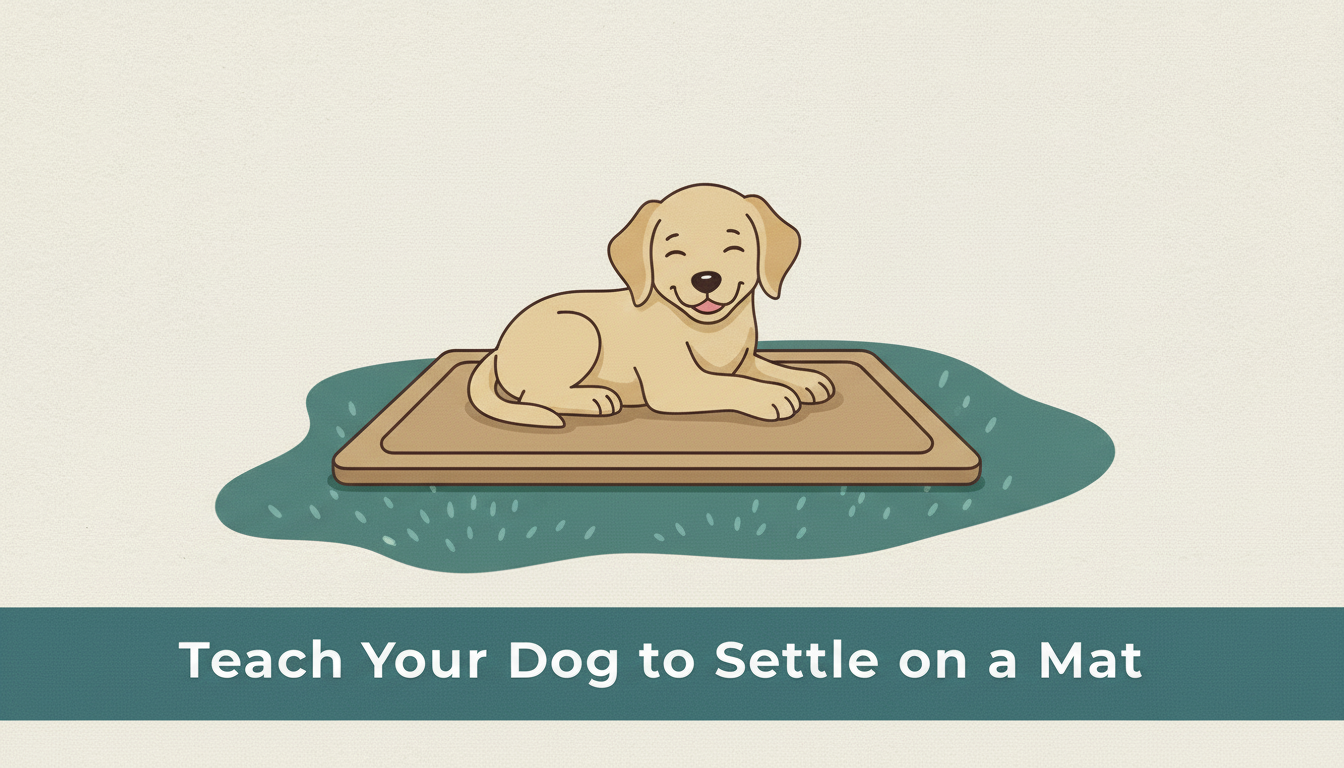
To Teach Your Dog to settle on a mat, reward calm behavior on the mat, build duration gradually, and practice in low-distraction settings before adding challenges. Settling is a learned skill, not something dogs do automatically.
Many dogs struggle not because they’re disobedient — but because they don’t know how to relax. Owners often focus on stopping unwanted behavior instead of teaching an alternative. This guide explains how mat training creates an “off switch,” why it works so well for energetic or anxious dogs, and how to train it step by step without force or frustration.
What “Settle on a Mat” Really Means
Settling is different from commands like sit or stay.
A settled dog:
Chooses calm behavior
Maintains relaxed posture
Can disengage from stimulation
Stays grounded without constant cues
From real training experience, dogs that learn to settle are easier to live with than dogs trained only in obedience commands.
Why Mat Training Is So Effective (SERP Gap)
Most training articles emphasize control. What they miss is self-regulation.
Mat training works because it:
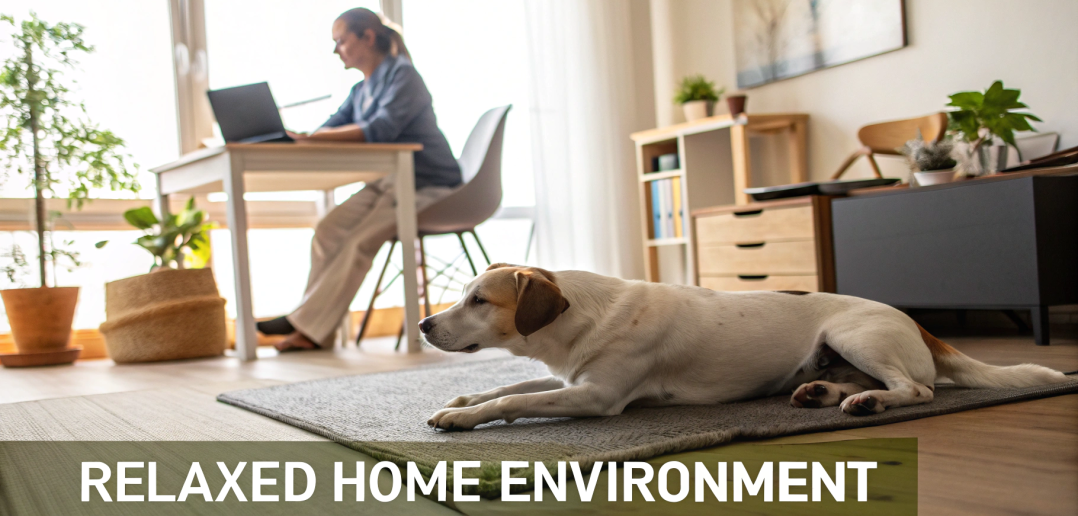
Gives dogs a clear relaxation boundary
Reduces decision-making pressure
Builds emotional control, not just physical stillness
This is especially useful for:
Overexcited dogs
Dogs with impulse issues
Dogs that pace or shadow owners constantly
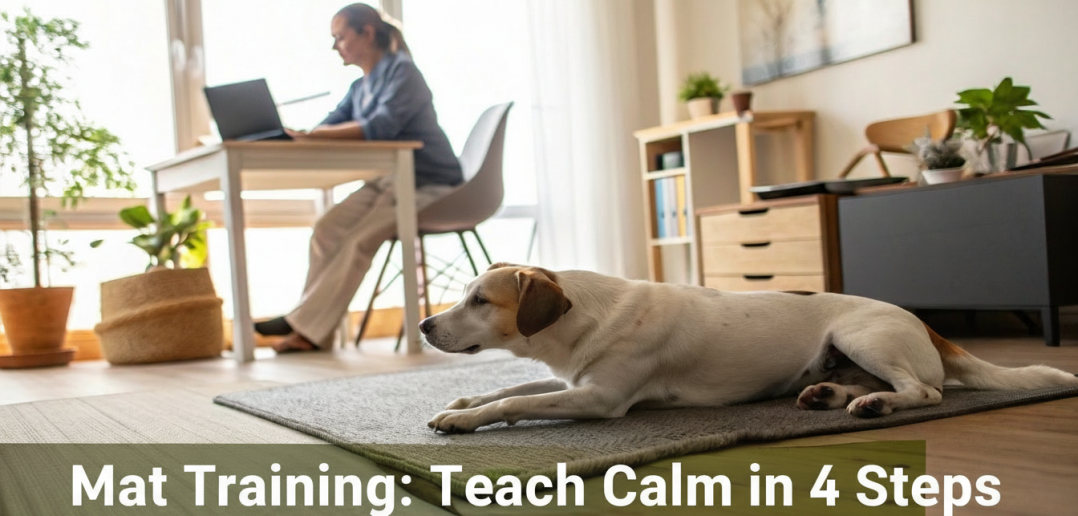
Step-by-Step: How to Teach Your Dog to Settle on a Mat
Step 1: Introduce the Mat Neutrally
Place the mat on the floor and reward any interest — sniffing, stepping on it, or looking at it.
Step 2: Mark Calm Positions
Reward when your dog sits or lies down naturally on the mat.
Step 3: Build Duration Slowly
Increase time between treats by seconds, not minutes.
Step 4: Add a Verbal Cue
Once behavior is consistent, introduce a cue like “settle” or “relax.”
Pro-Tip
From practical situations, rewarding stillness instead of position speeds up learning dramatically.
Common Mistakes That Stall Mat Training
| Mistake | Why It Slows Progress | Better Approach |
| Expecting instant calm | Creates frustration | Build gradually |
| Using mat only during chaos | Overwhelms dog | Start in calm settings |
| Repeating cues | Weakens response | Wait for behavior |
| Ending sessions abruptly | Breaks relaxation | Release calmly |
Information Gain: Calm Is a Skill, Not a Personality Trait
A major SERP blind spot: calm dogs aren’t born — they’re trained.
High-energy dogs often struggle because:
They’ve never been rewarded for calm
Excitement gets attention
Relaxation goes unnoticed
By consistently rewarding calm moments on the mat, dogs learn that relaxation pays off — a powerful behavior shift that many guides overlook.
UNIQUE SECTION — Beginner Mistake Most People Make
Owners often use the mat only when guests arrive or behavior becomes overwhelming. At that point, the dog is already overstimulated.
Mat training should start before excitement. Calm rehearsal builds reliability under pressure.
When Mat Training Is Especially Helpful
Mat training shines in situations like:
Meal prep time
Guests visiting
TV time in the evening
Working from home
Multi-dog households
Money-Saving Recommendation
Teaching mat settling early reduces the need for advanced behavior correction later.
YouTube (Contextual Learning)
“Teach Your Dog to Settle on a Mat – Step-by-Step”
“Calmness Training for High-Energy Dogs”
(Embed after the step-by-step section.)
FAQs
Q1. How long does mat training take?
Most dogs show improvement within 1–2 weeks of daily practice.
Q2. Can puppies learn to settle on a mat?
Yes. Puppies often learn faster than adult dogs.
Q3. Should I use the mat all day?
No. Use it intentionally during calm practice periods.
Q4. Can I move the mat to different rooms?
Yes, once the behavior is strong in one location.
Q5. Is mat training good for anxious dogs?
Yes. It provides structure and predictability.
Internal Linking Plan (Contextual)
impulse control development → When Does Puppy Biting Stop?
calm training foundations → How to Stop Puppy Biting Without Yelling
External Authority References
Certified dog trainer relaxation protocols
Veterinary behavior research
Positive reinforcement training organizations
Conclusion
Teaching a dog to settle on a mat isn’t about control — it’s about giving dogs permission to relax. With consistency, patience, and calm reinforcement, mat training becomes a powerful tool that improves behavior, focus, and everyday life.


