Introduction
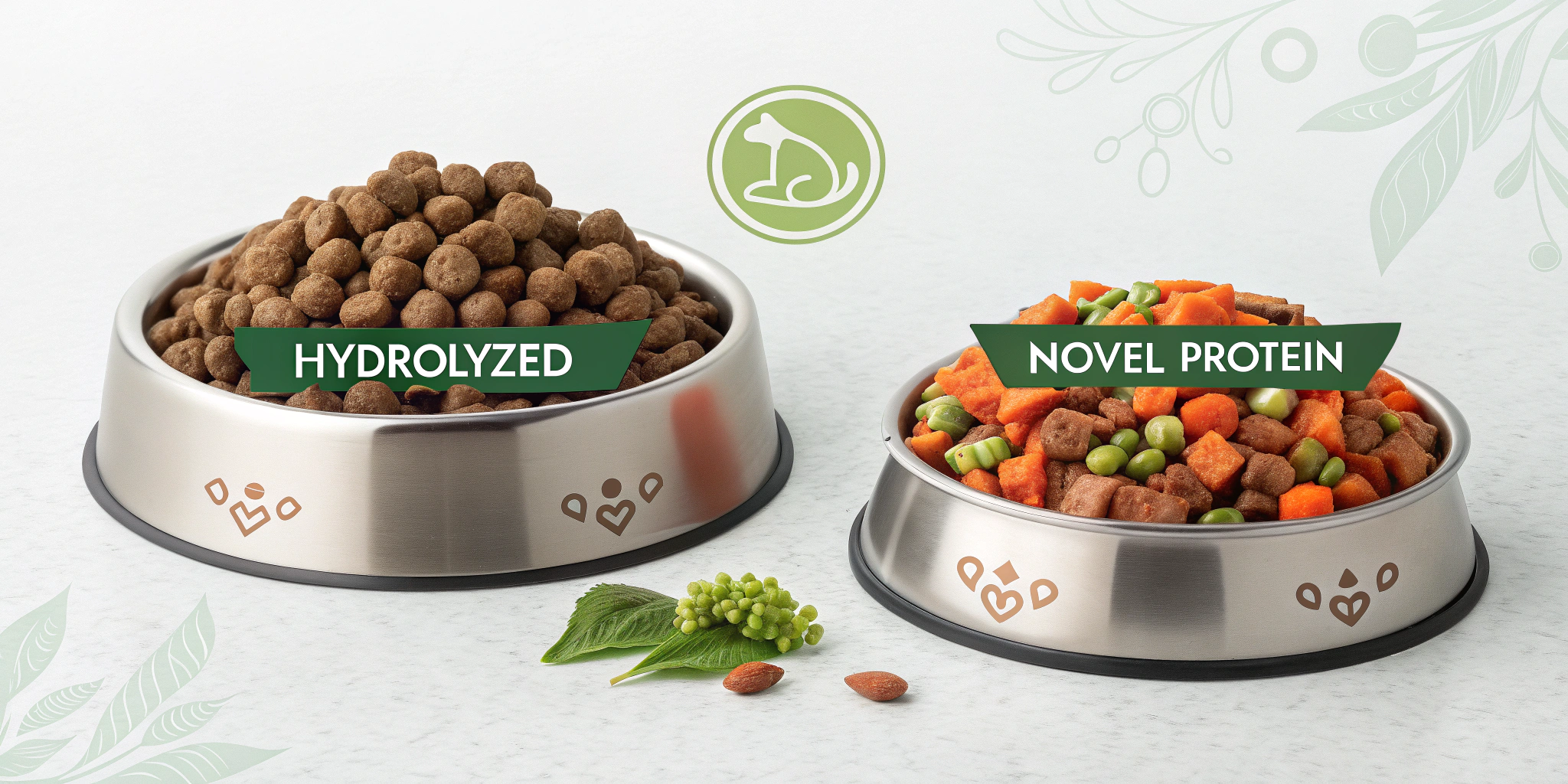
hydrolyzed vs novel protein dog food uses proteins broken into tiny fragments to avoid immune reactions, while novel protein dog food relies on new, unfamiliar proteins your dog hasn’t eaten before. The best choice depends on allergy severity, history, and response to past diets.
When dogs struggle with food allergies, owners are often told to “switch proteins.” What’s rarely explained is how hydrolyzed diets differ fundamentally from novel protein diets — and why one works when the other fails. This guide breaks down both options clearly, helping you choose logically instead of guessing.
What Hydrolyzed Dog Food Actually Is
Hydrolyzed diets contain proteins that are chemically broken down into fragments too small for the immune system to recognize as allergens.
This means:
The body doesn’t “see” the protein as a threat
Allergic reactions are unlikely
Ingredient source matters less than protein size
Hydrolyzed foods are commonly recommended when allergies are severe, chronic, or unclear.
Expert Warning
From real veterinary experience, hydrolyzed diets work best when followed strictly — even small “cheats” can cause flare-ups.
What Novel Protein Dog Food Really Means
Novel protein diets use proteins your dog has never eaten before.
Common novel proteins include:
Duck
Venison
Rabbit
Kangaroo
Alligator (in some regions)
The logic is simple: the immune system can’t react to what it hasn’t seen.
However, novelty only works once. After exposure, that protein is no longer novel.
Core Differences at a Glance
| Feature | Hydrolyzed Protein | Novel Protein |
| Protein structure | Broken down | Intact |
| Allergy risk | Very low | Moderate |
| Palatability | Sometimes lower | Often higher |
| Use case | Severe allergies | Mild to moderate allergies |
| Treat compatibility | Strict | Easier to manage |
This clarity is often missing from top SERP articles, which treat both as interchangeable.
Which Option Works Better for Which Dogs?
Hydrolyzed Is Often Best If:
Allergies are severe or long-standing
Multiple protein trials have failed
Symptoms include chronic ear infections or GI distress
Novel Protein Is Often Best If:
Allergies are mild or newly suspected
Your dog has a limited food history
You want fewer processing steps
Pro-Tip
From practical situations, dogs that fail novel protein diets often succeed on hydrolyzed diets — but rarely the other way around.
Information Gain: Why Novel Protein Diets Fail More Often Than Expected
A key SERP gap: many dogs have already been exposed to “novel” proteins through treats, chews, or previous foods.
Owners unknowingly compromise the diet when:
Treats contain hidden proteins
Table scraps sneak in
Multiple foods were tried previously
In these cases, hydrolyzed diets bypass exposure history entirely — which is why vets often recommend them after repeated failures.
Common Mistakes Owners Make With Both Diets
| Mistake | Why It Causes Failure | Better Approach |
| Mixing treats | Reintroduces allergens | Match treats to diet |
| Switching too early | No clear results | Commit 8–12 weeks |
| Ignoring ingredient lists | Hidden proteins | Read labels carefully |
| Expecting instant results | Unrealistic | Track progress weekly |
Money-Saving Recommendation
Choosing the right diet early prevents months of food trials and repeat vet visits.
UNIQUE SECTION — Practical Insight From Experience
In real allergy cases, dogs often improve on novel protein diets initially, then relapse weeks later. This usually means the protein wasn’t truly novel — or the immune system eventually recognized it. Hydrolyzed diets tend to provide more consistent long-term control in these situations.
How Long Each Diet Takes to Show Results
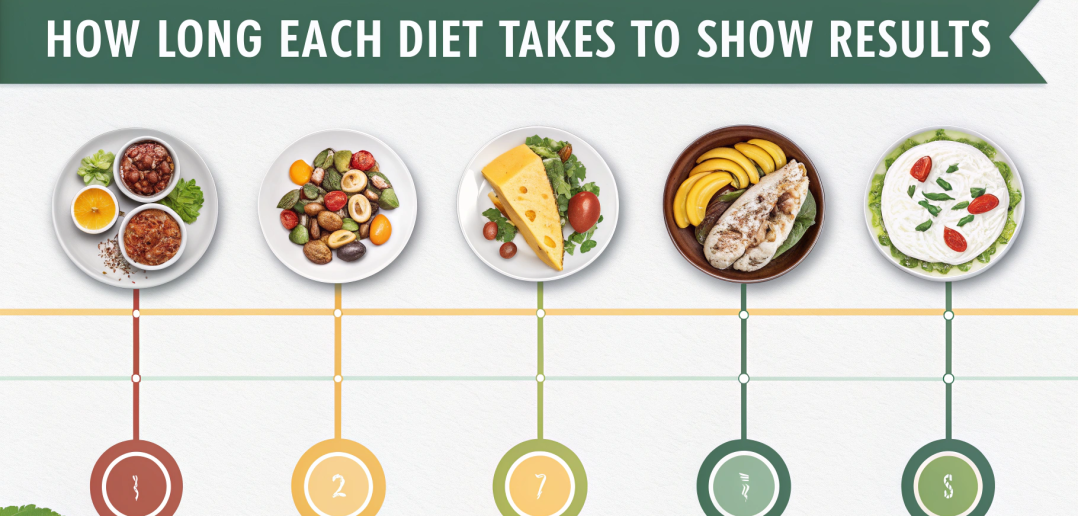
Hydrolyzed diets: 4–6 weeks for itching reduction
Novel protein diets: 6–8 weeks for skin improvement
Full evaluation: 8–12 weeks for both
Stopping early is one of the most common reasons owners believe a diet “didn’t work.”
FAQs
Q1. Is hydrolyzed dog food better than novel protein?
It’s better for severe or complex allergies, not always for mild cases.
Q2. Can dogs be allergic to hydrolyzed food?
It’s rare, but possible if other ingredients trigger reactions.
Q3. Are hydrolyzed diets safe long-term?
Yes, when properly formulated and vet-approved.
Q4. How do I know if a protein is truly novel?
Review every food, treat, and chew your dog has ever eaten.
Q5. Can I switch between these diets freely?
No. Switching resets the allergy evaluation process.
Internal Linking Plan (Contextual)
allergy diet foundations → Best Dog Food for Dogs With Allergies
digestive support strategies → Dog Probiotics for Diarrhea
External Authority References
Veterinary nutrition guidelines
Board-certified veterinary dermatologist insights
Canine food allergy research publications
Conclusion
Hydrolyzed and novel protein dog foods aren’t competing trends — they’re tools for different allergy situations. Understanding how each works allows you to choose strategically, avoid wasted trials, and give your dog lasting relief instead of short-term fixes.